Healthy Habits for Happy Pets in 2026

Focusing on Nutrition, Portion Control, and Hydration
Bringing happy, healthy pets into 2026 starts with healthy habits. As pet parents, we’re becoming more mindful than ever about what we feed our animals, where those foods come from, and how those choices affect long-term wellness.
With so much information available—and so many trends jumping on the “whole foods” bandwagon—it’s normal to feel unsure about where to begin.
If you’re curious but uncomfortable, or simply not ready to change everything at once, that’s okay. Education, research, and thoughtful steps forward matter more than perfection.
Nutrition: Whole Foods, Thoughtful Choices, and Simplicity

Let’s Eat!
There’s no denying that the pet food industry has expanded rapidly. Today, you can find food sourced from farms with specialty labels, custom branding, or even your dog’s name on the package.
But no matter how premium it looks, it still comes from a package.

Let’s Cook!
The gold standard of nutrition comes from whole foods that are sourced intentionally and prepared by the pet owner. In the most ideal setting, we would be feeding a biologically appropriate diet that includes meat, bone, and organ—supporting the carnivorous nature of our canine companions.
One approach that reflects how wild dogs and wolves eat is rotational mono feeding. In nature, wild dogs do not consume plants and vegetables on the same day as meat, organs, and bones. Their intake is isolated by category, allowing the body to process one food source at a time.
In the RMF (Rotational Mono Feeding) feeding modality, these inputs are intentionally separated, and some schedules even include fasting days. This method has been shared publicly and supported by educators like Nora Lenz, who has helped pioneer accessible education around this feeding style, including modifications for senior dogs or animals experiencing illness or dysregulation.
Why does this matter?
Because the body needs time to rest. Digestion is work, and when we reduce unnecessary burden, the body can focus on repair, regulation, and survival—rather than constantly processing overly complex food combinations.
Unfortunately, there are many ingredients in today’s pet food supply that we wouldn’t even want to list on this page. This makes intentional sourcing and simplicity more important than ever.
Portion Control: When “A Little Extra” Adds Up
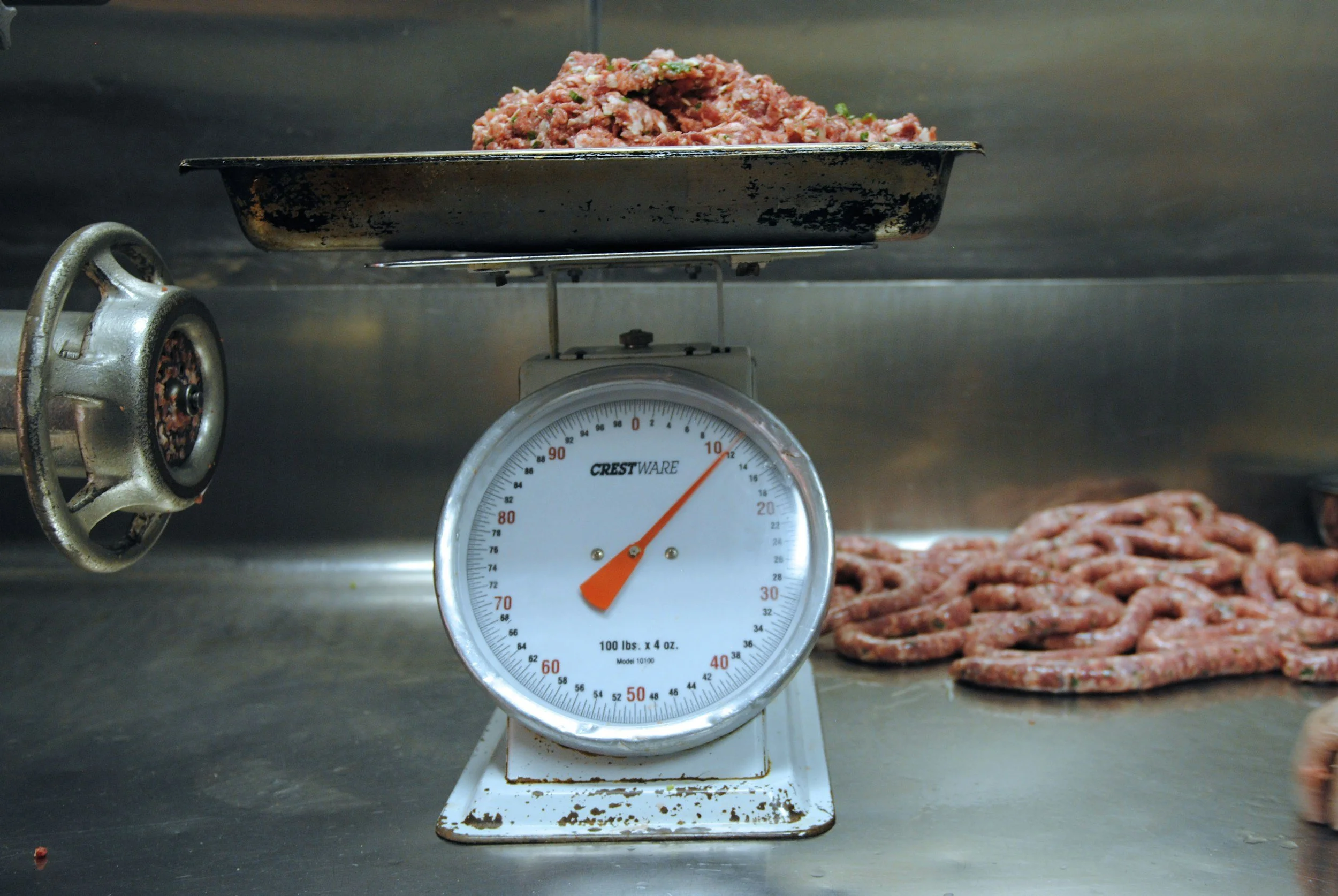
Portion control is one of the most overlooked—and misunderstood—areas of pet wellness.
Often, how much we feed our dogs is influenced by how much we eat, emotional cues, or clever marketing rather than biological need. Even small overages can create a significant burden on the body over time.
If a dog appears constantly hungry or ravenous, this is often not a quantity issue—but a nutrition issue. When food lacks bioavailable nutrients, the body keeps asking for more.
That’s where a deeper conversation is needed. We look at:
Digestive blocks or inefficiencies
Food quality and sourcing
Whether the body is actually absorbing what it’s being fed
True nourishment satisfies. When the body gets what it needs, cravings diminish naturally.

Hydration: The Foundation of Every Healthy System
Water is one of the most essential—and underestimated—parts of a pet’s diet.
When feeding dehydrated kibble, the body must pull water from its own reserves just to process the food. With a whole foods diet, moisture is already present, which reduces the overall water demand on the body.
Many of our clients are amazed during their transition to whole foods feeding. Dogs that once drank constantly suddenly self-regulate, and water bowls remain full for days instead of hours.
We can also support hydration by:
Providing constant access to fresh, clean water
Adding gentle supplements to support gums, teeth, and digestion
It’s important to always offer one pure water source with no additives, especially during transitions. This ensures pets continue to hydrate freely as their bodies adjust.
With whole foods nutrition, we often see healthier teeth and gums naturally. Supporting this with a small amount of Thieves® mouthwash in an additional water bowl can further promote oral health when used appropriately.

Supplements: Proceed with Intention
Supplementation can be incredibly supportive—but it’s also an area filled with confusion.
Many products on the market have sourcing issues, incomplete disclosure, or bold claims that don’t always translate to positive outcomes. In some cases, they can even do more harm than good.
We choose to support our dogs using Young Living products, which we’ve found helpful through all stages of life—from puppyhood through senior years. In our own routine, our dogs receive:
NingXia Red®
NingXia Greens®
Digestive enzymes
Carefully selected essential oils
These tools support wellness where each animal is in their individual journey. We’re always happy to share what we use and why, or help determine if these supports are appropriate for your pet.
Where to Start (Without Feeling Overwhelmed)
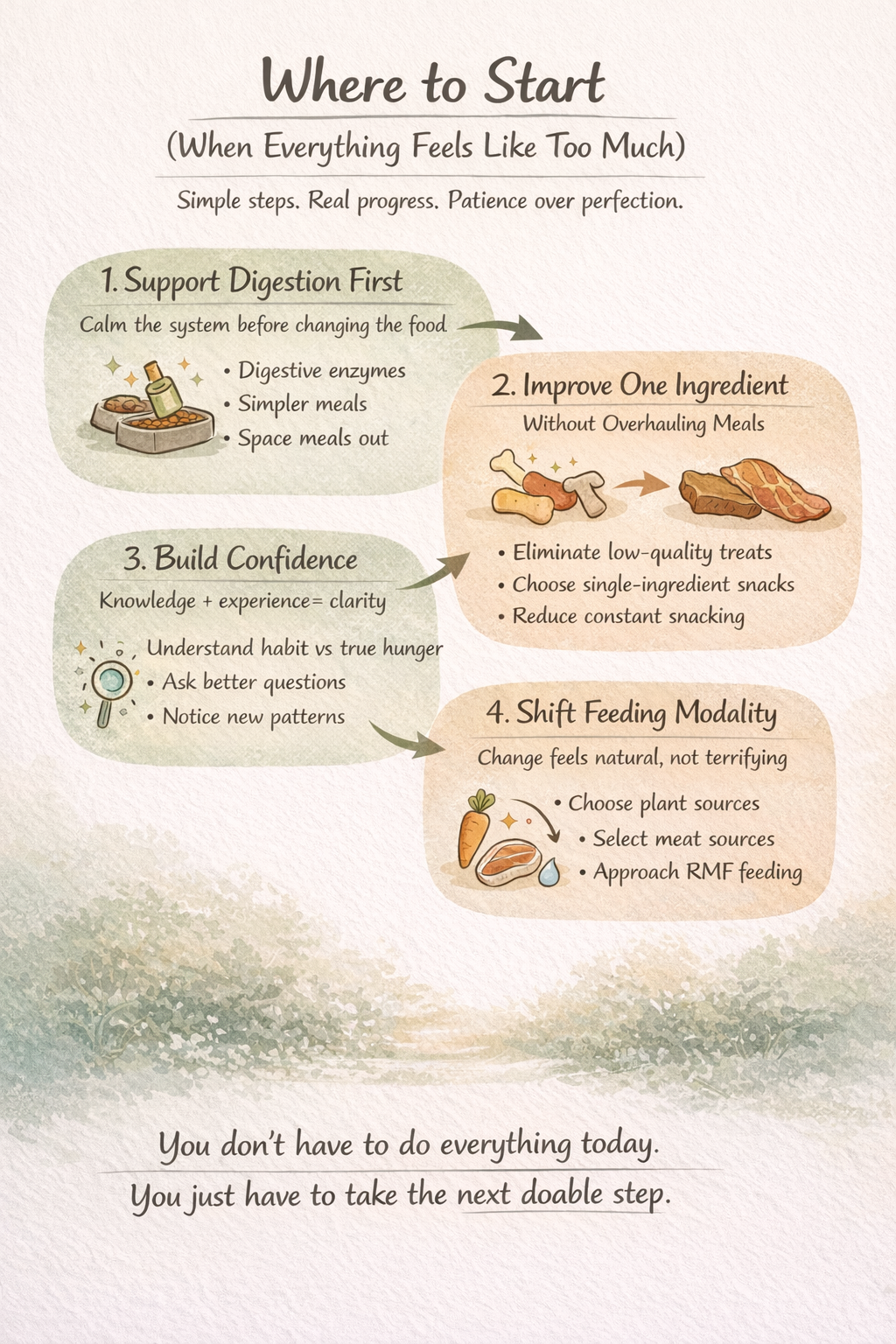
Reading information like this can feel overwhelming. The good news? You don’t need to do everything at once.
We believe in:
One conversation at a time
One task at a time
One simple change before the next
A gentle starting point may look like:
Introducing a plant mix
Choosing a meat source
Gathering the right tools and gear
Building confidence as you go
These are milestones—not deadlines—and they’re meant to be navigated with support.

We’re Here to Walk Alongside You
If you’d like guidance, support, or simply a place to ask questions, we’re here. You do not need to be local to the Tomball area—we work with pet parents coast to coast and around the world.
There are many great resources available, and we don’t want to overwhelm you with links or lists. Instead, we’re happy to walk right alongside you as you build healthier habits for happier pets in 2026 and beyond.
If you’d like support, reach out below.
Let’s take this journey one thoughtful step at a time.