
Winter Wellness for Dogs
Supporting Mobility, Comfort, and Overall Wellbeing in the Colder Months
Winter slows many dogs down. Shorter days, colder temperatures, and slick outdoor surfaces often mean they move less, rest more, and stiffen up faster. While the season has its charms, it also presents real challenges for your dog’s joints, circulation, and comfort level. Understanding what reduced movement does inside the body is the first step in helping dogs feel their best all winter long.
How Reduced Movement Affects a Dog’s Body
Joint Fluid Thickens
Dogs rely on regular motion to keep synovial fluid circulating through the joints. When activity drops, that fluid thickens and the joints don’t glide as easily. This is one of the reasons older dogs seem a bit slower getting up on cold mornings.
Lymphatic Flow Slows
A dog’s lymphatic system has no pump of its own. It depends entirely on muscular movement. If dogs spend long stretches lying down, lymph flow becomes sluggish. When that happens, waste products linger longer in the tissues, the immune system has to work harder, and inflammation can build.
Muscles Weaken
Muscle loss happens surprisingly quickly in dogs who aren’t moving regularly. Once muscle mass decreases, the body shifts more workload to the joints and ligaments. Over time this can contribute to instability, discomfort, and hesitancy during normal activities.
Circulation Decreases
Cold weather naturally slows circulation. When combined with less movement, the result is a dog who feels stiff, chilled, or reluctant to engage in normal exercise.
Practical Ways to Keep Dogs Moving in Winter
Movement doesn’t need to be strenuous or lengthy to make a difference. Frequent, gentle activity is often enough to maintain muscle tone, joint function, and overall comfort.
• Short, frequent walks: Even five to ten minutes at a time can help maintain joint lubrication and circulation.
• Indoor strength and mobility exercises: Controlled sit-to-stand repetitions, slow leash walking inside the home, figure-eight patterns, or low cavaletti rails can build and maintain muscle.
• Interactive feeding and scent games: Snuffle mats, hide-and-seek treats, and puzzle feeders encourage natural movement and mental engagement.
• Warm-up pacing before going outside: A few minutes of slow walking indoors helps loosen the body before facing cold temperatures.
• Safe footing: Rugs and non-slip runners reduce slipping and help dogs feel more secure, especially seniors.
Natural Support for Mobility and Comfort
(Young Living essential oils only; always diluted and used with appropriate pet-safety guidance.)
Copaiba
Copaiba is valued for its ability to support a healthy inflammatory response. When diluted, it can be applied along the spine, over major joints, or onto overused muscle groups. Many dogs tolerate it well, including seniors and dogs with long-term mobility concerns.
PanAway
PanAway is traditionally used to ease muscle tension and general soreness. It should be used sparingly and diluted heavily for dogs. This blend is often helpful after increased activity or on days when a dog appears more stiff than usual.
Deep Relief Roll-On
Deep Relief offers a soothing, cooling sensation. Applying it first to your hands and then massaging it gently into areas such as the hips, shoulders, or lower back can give dogs noticeable comfort. This blend is useful after walks, mild exercise, or periods of prolonged rest.
Supporting the Lymphatic System
Encouraging the lymphatic system is an overlooked part of winter dog care. Gentle, rhythmic massage using a diluted oil such as Cypress or Cistus can encourage lymph movement. Focus on areas where lymph nodes concentrate—under the jaw, in the armpits, along the inner thighs, and behind the knees.
Hydration also plays a role, and many dogs drink more readily if their water is warmed slightly or if a splash of warm, unsalted broth is added. Short indoor movement sessions, slow walking, and simple play help keep lymph circulation active as well.
The Importance of Warmth
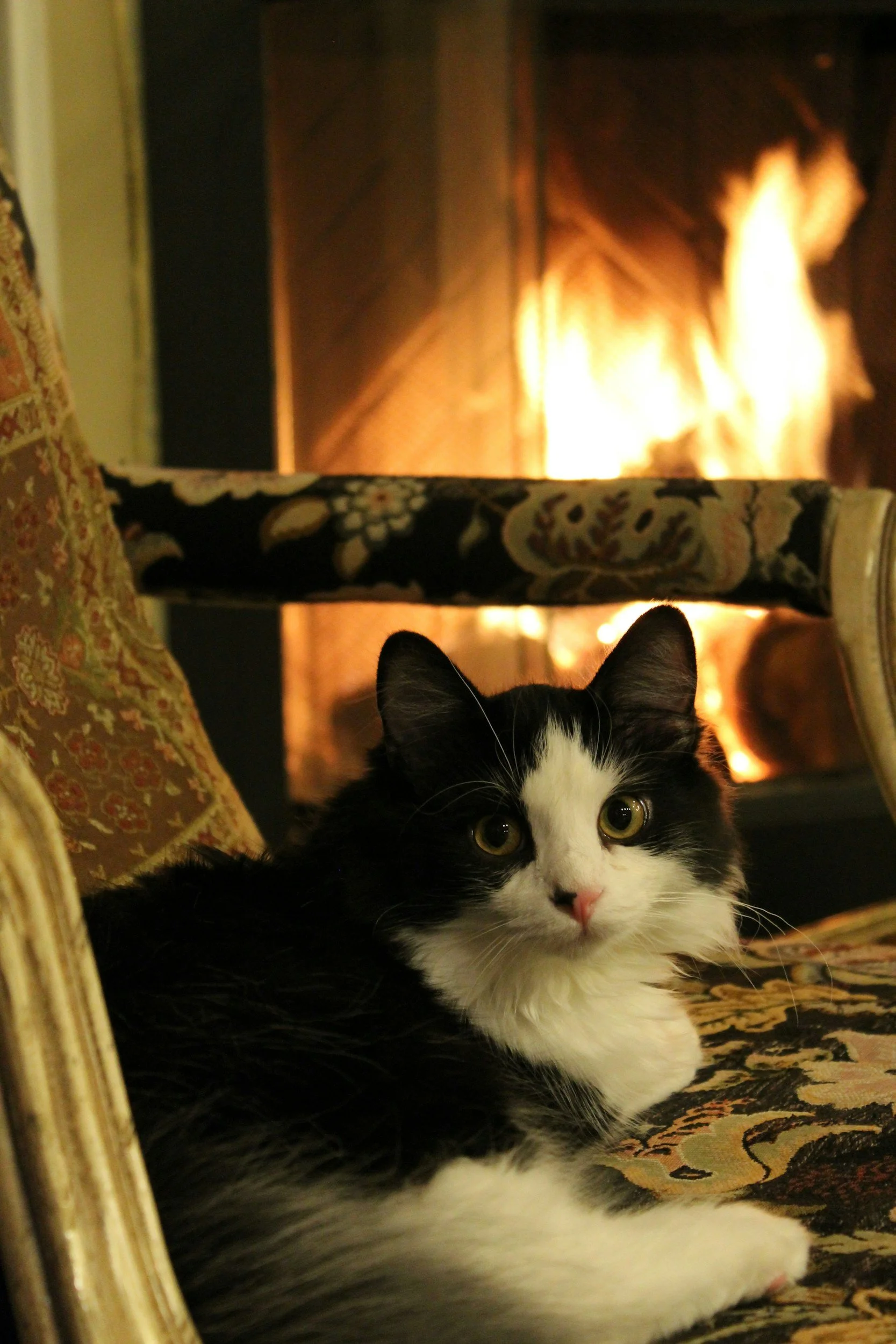
Cold muscles tighten easily. Providing warm resting spots, raised beds, soft blankets, or a mild warming pad can make a noticeable difference in comfort. Warm compresses placed briefly over stiff joints can also help loosen the area before going for a walk or after returning from the cold.
When to Seek Additional Support
Changes worth noting include difficulty rising, reluctance to use stairs, hesitation during play, changes in gait, or sudden decreases in activity. Muscle loss, sensitivity when touched, or instability during normal movement are also signs your dog may benefit from a personalized winter mobility plan.
If you’re unsure what your dog needs, we’re here to help. Many families find that adding natural support—such as the animal-safe Young Living oils mentioned above—along with specific movement strategies makes a meaningful difference in their dog’s comfort.
If you’re curious about how these products might help you as well, or how to integrate them safely for both ends of the leash, you’re welcome to reach out anytime.

Educational Disclaimer
This information is for educational purposes only and is not intended to diagnose, treat, cure, or prevent any disease. Essential oils, natural wellness practices, and holistic travel tips shared here are supportive tools, not medical treatment. Always consult your veterinarian for questions regarding your pet’s health, medical conditions, or suitability of any wellness support before use.
Young Living Purity & Quality Statement
All essential oil recommendations in this guide are based on Young Living’s Seed to Seal® standards, ensuring unmatched purity, safety, and quality. Young Living oils are rigorously tested, free from synthetic fillers, and responsibly sourced for the highest degree of potency and plant integrity. For pets, purity is essential — only use 100% therapeutic-grade oils from trusted sources like Young Living.